
About Us
Protecting Africa’s forests
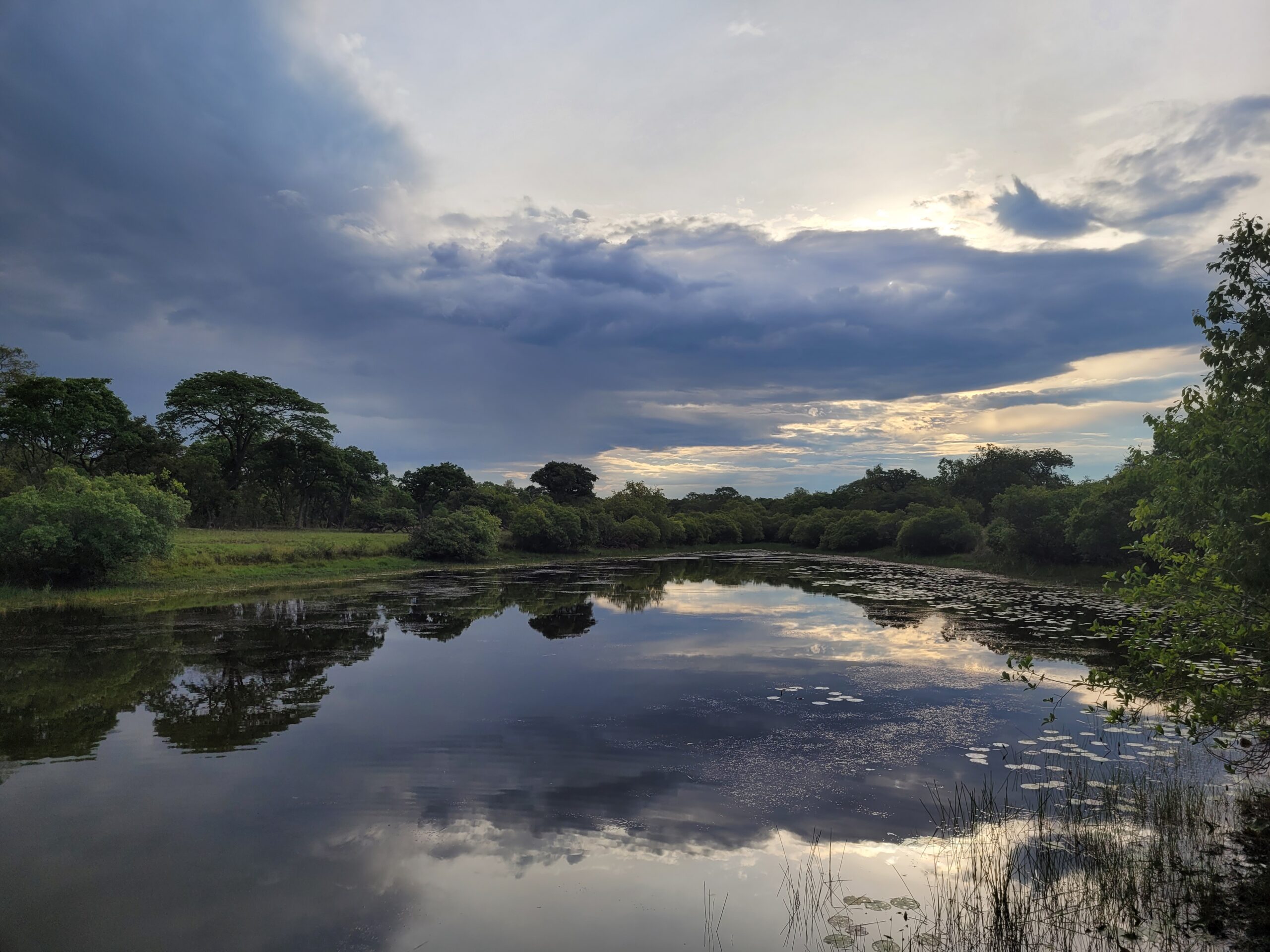
Fortify the Forests (FtF) focuses on conservation and rural community development in Africa. The company works with community leadership to provide enhanced life opportunities for their citizens whilst looking after the forests, wilderness and wildlife in their areas.
Our name, Fortify The Forests, simply describes our principal objective: to conserve indigenous forest. It is the realisation of a long-term goal to leverage the local businesses and biodiversity value of these forests and wild places, in order to protect them whilst empowering and uplifting the communities that rely on them. We have witnessed first-hand the realities of people in search of food and energy, and the pressing need to correctly balance development with conservation.
Our initiatives aim to not only support projects such as increased agricultural yields on smaller footprints, and combating challenges such as climate change, but to leave a legacy of fortified forests for both biodiversity protection and human sustainability. This objective is underpinned by the value that can be generated in community and forest based businesses, where the forests have more value in tact than being destroyed.
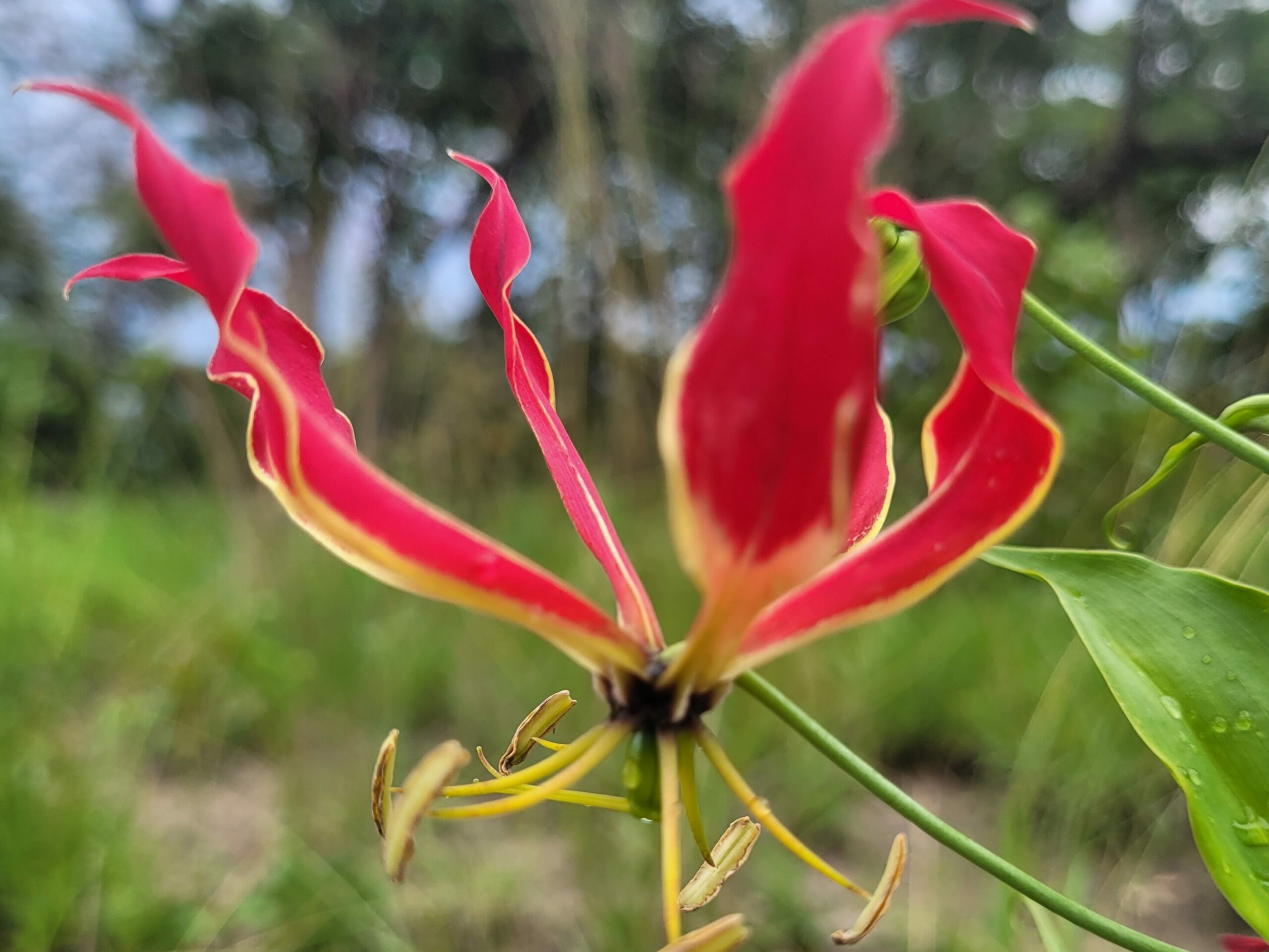
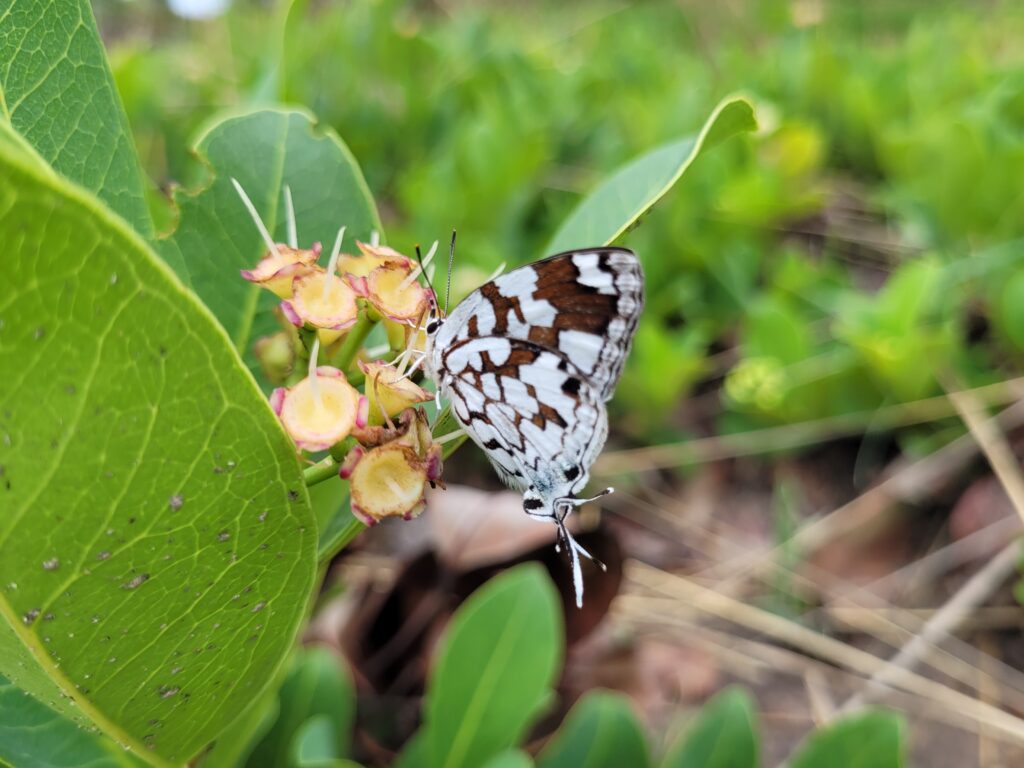
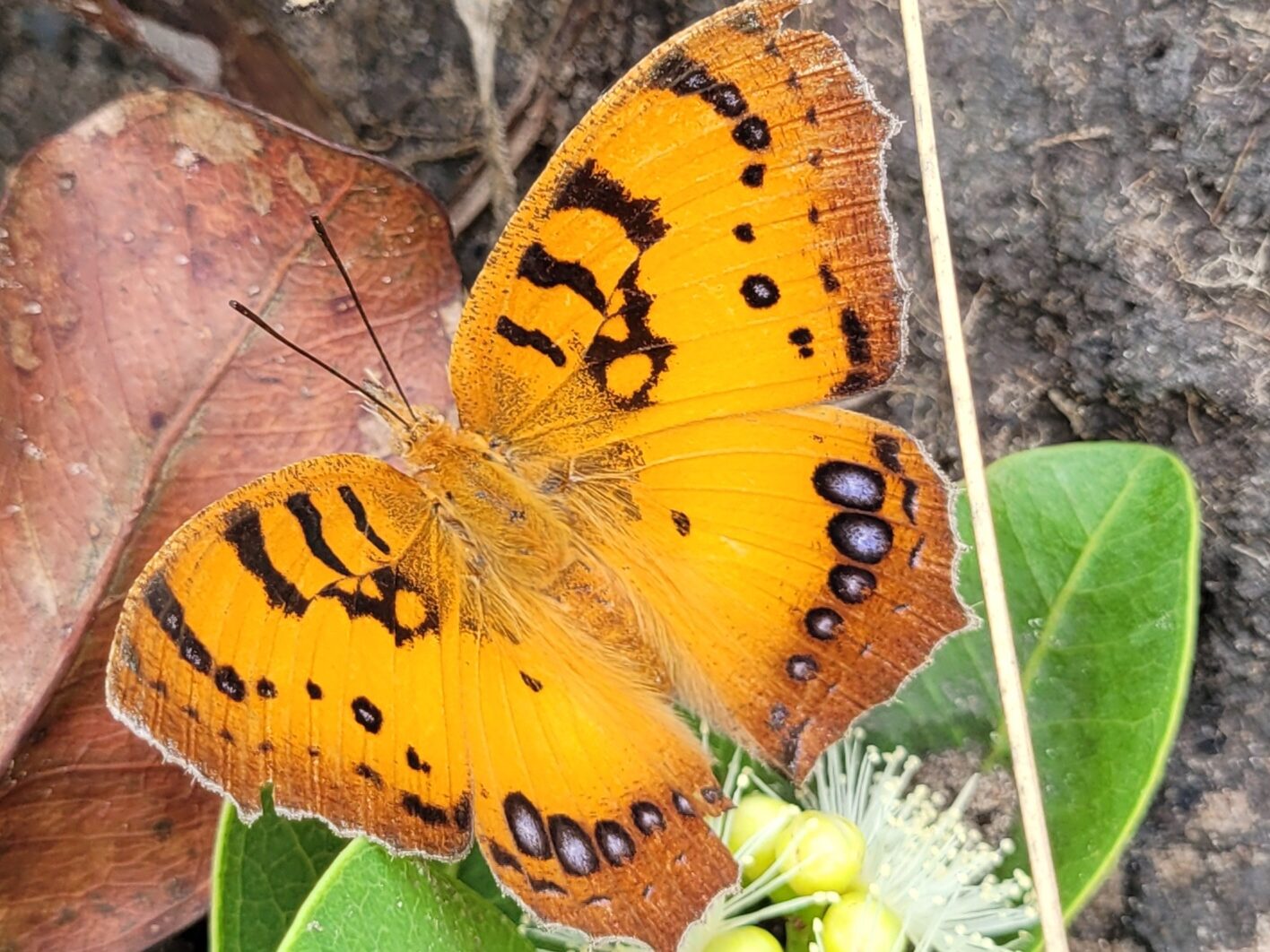
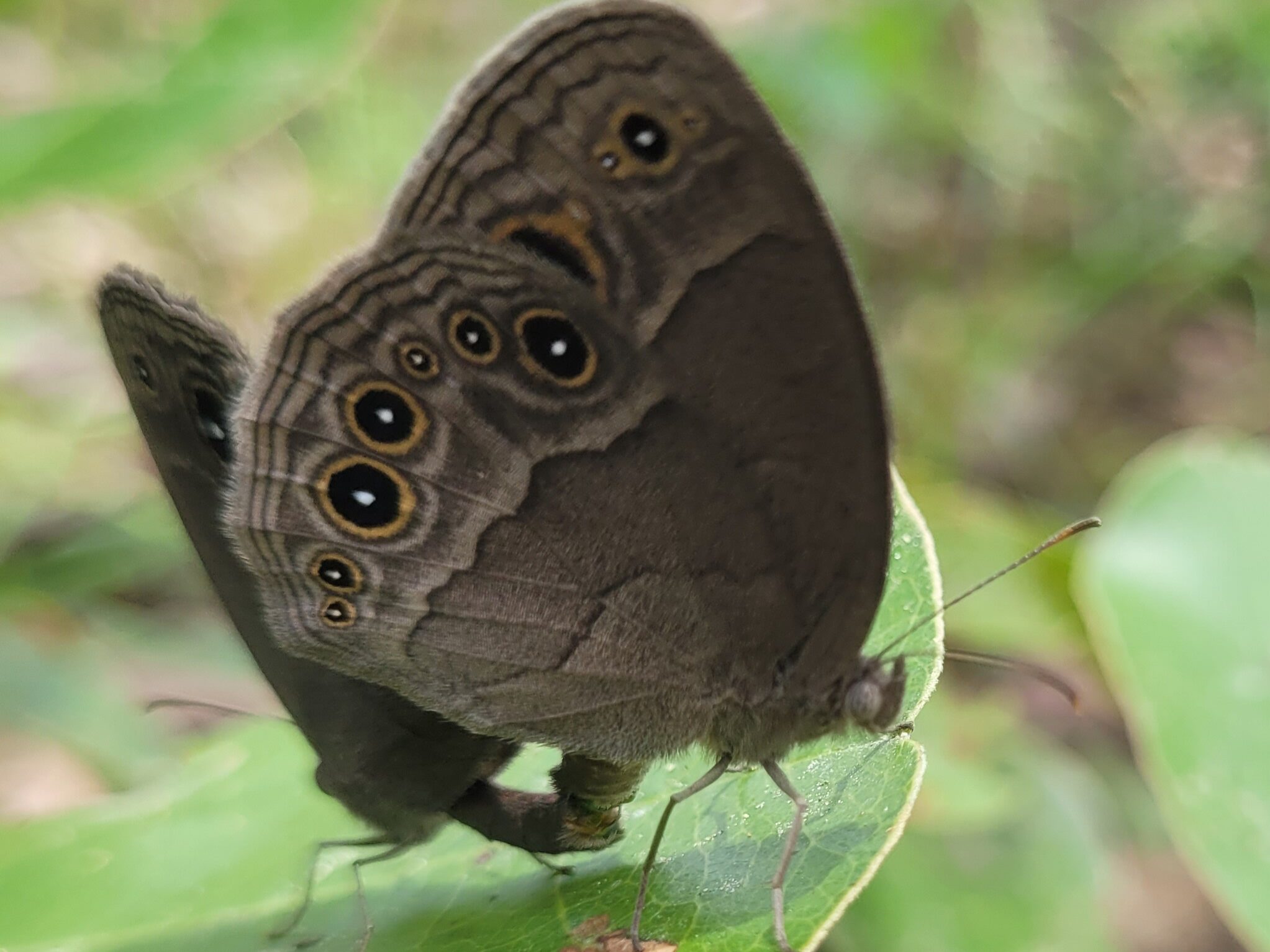
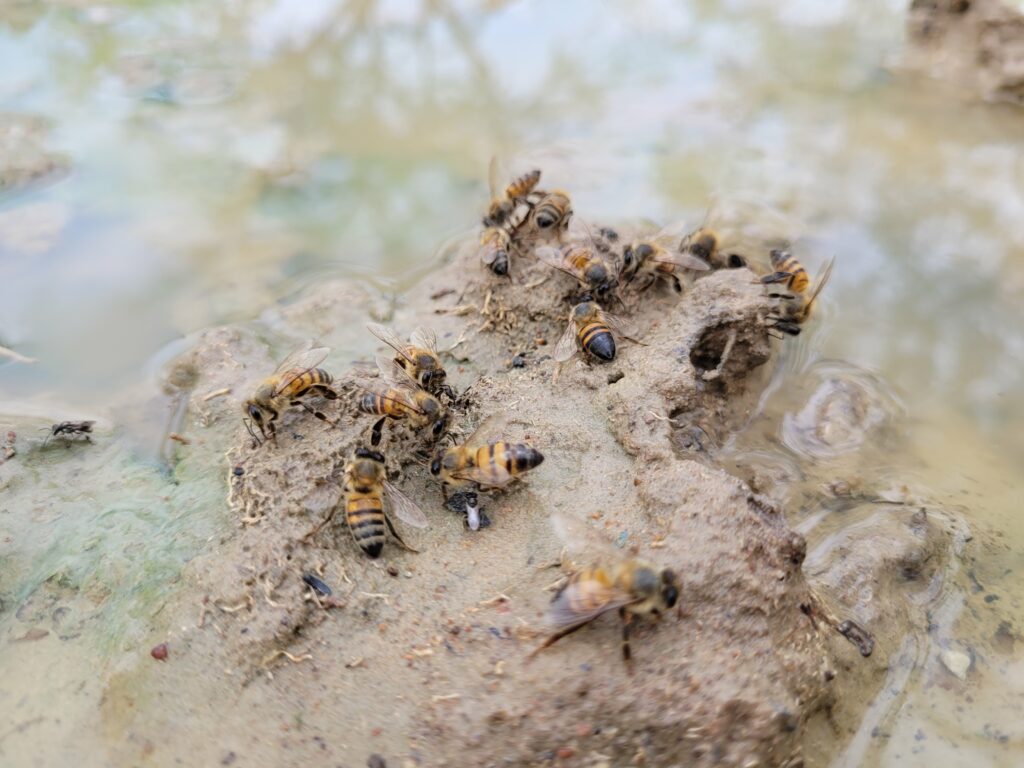
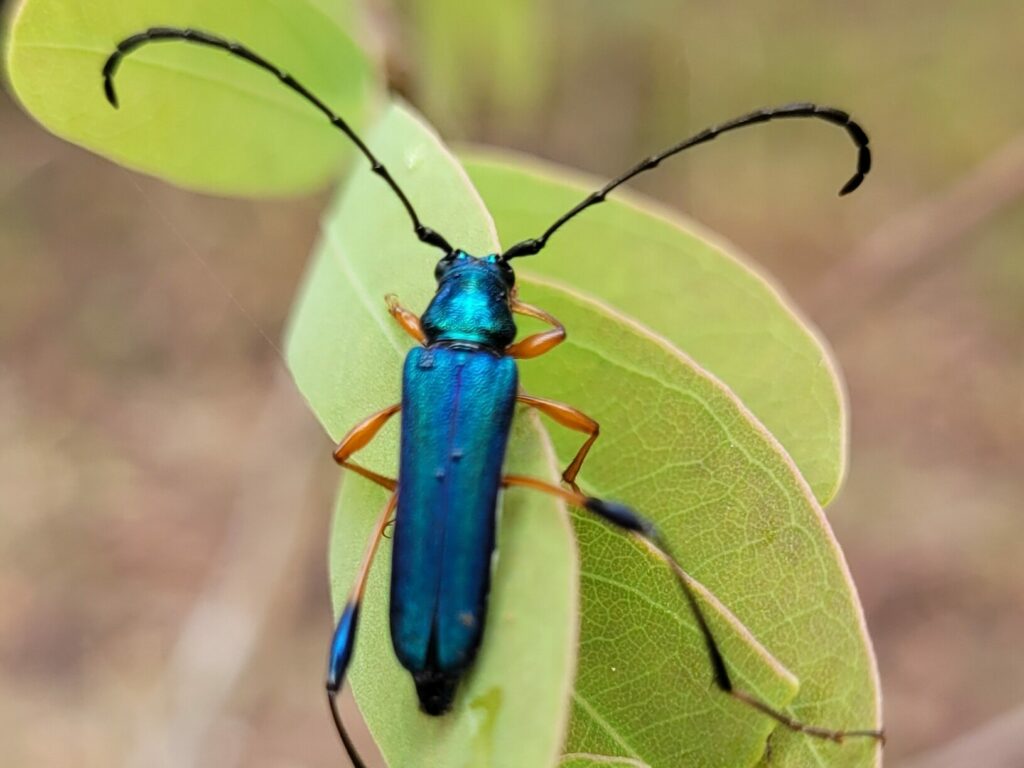
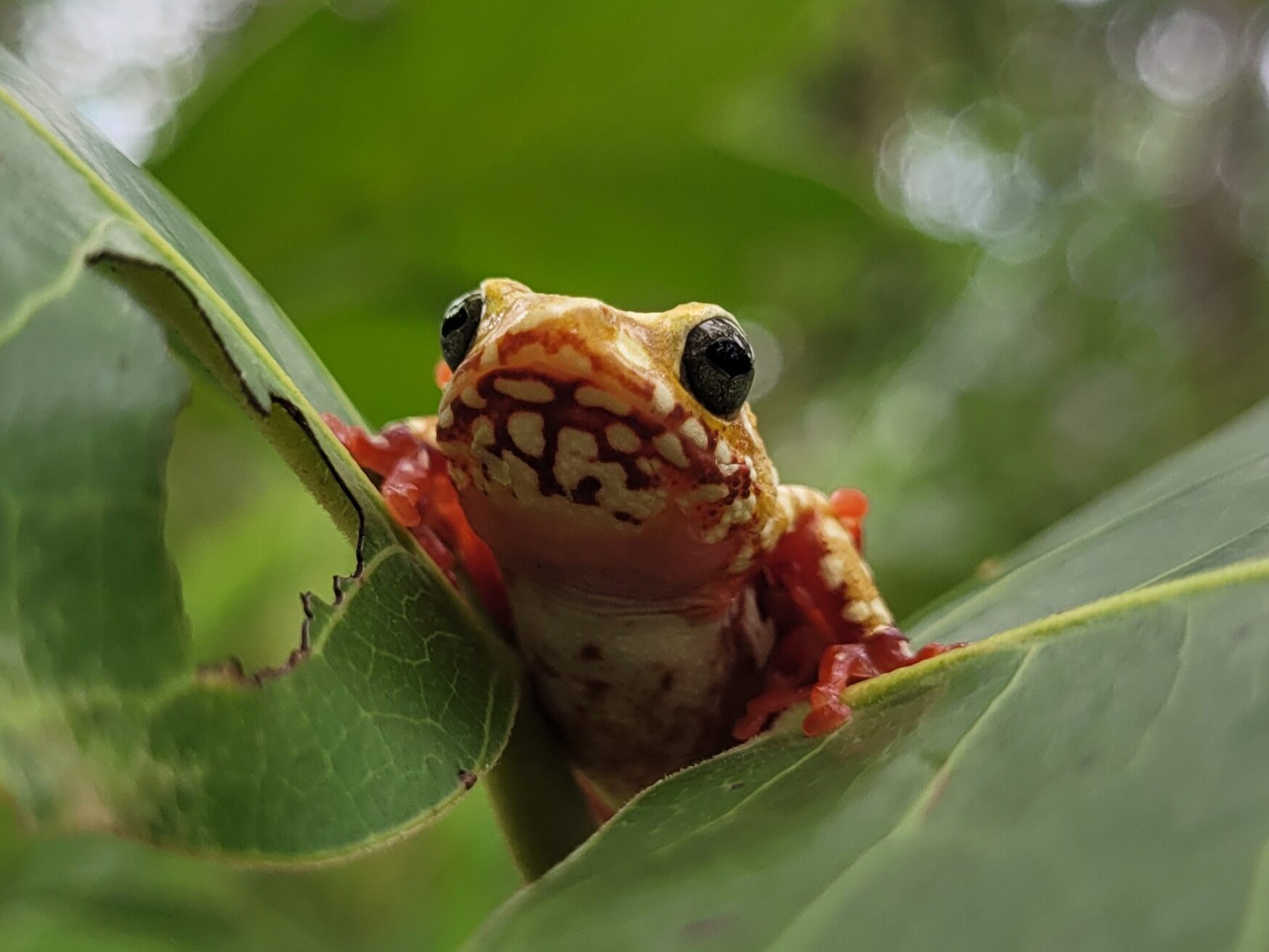
BIODIVERSITY
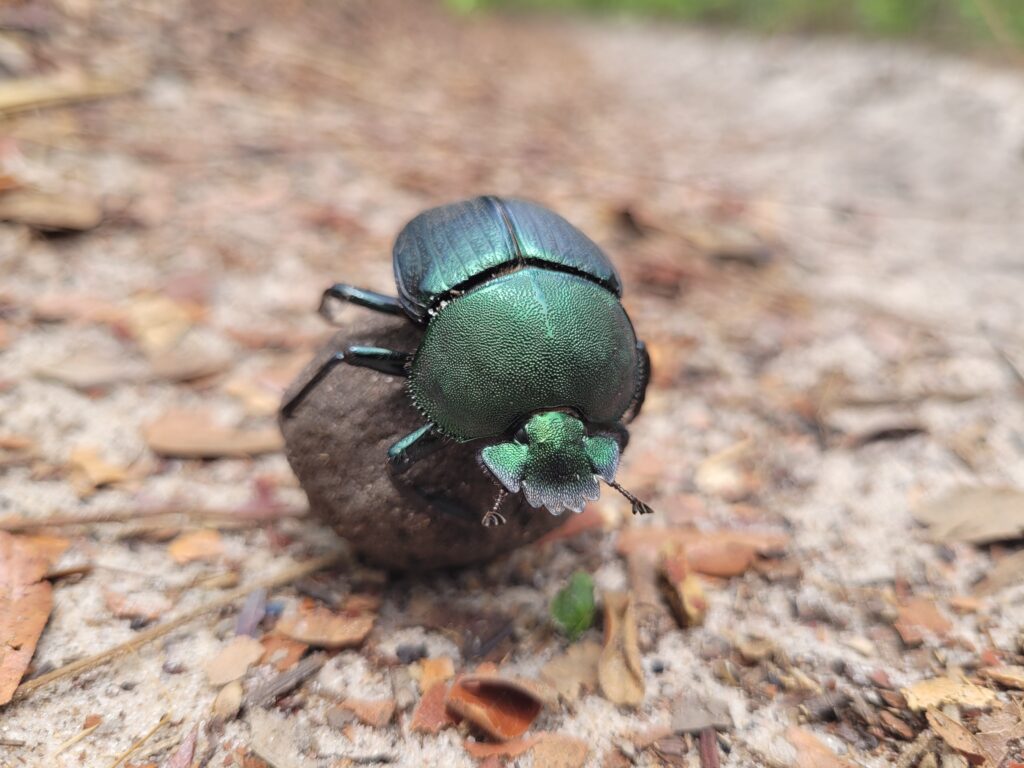
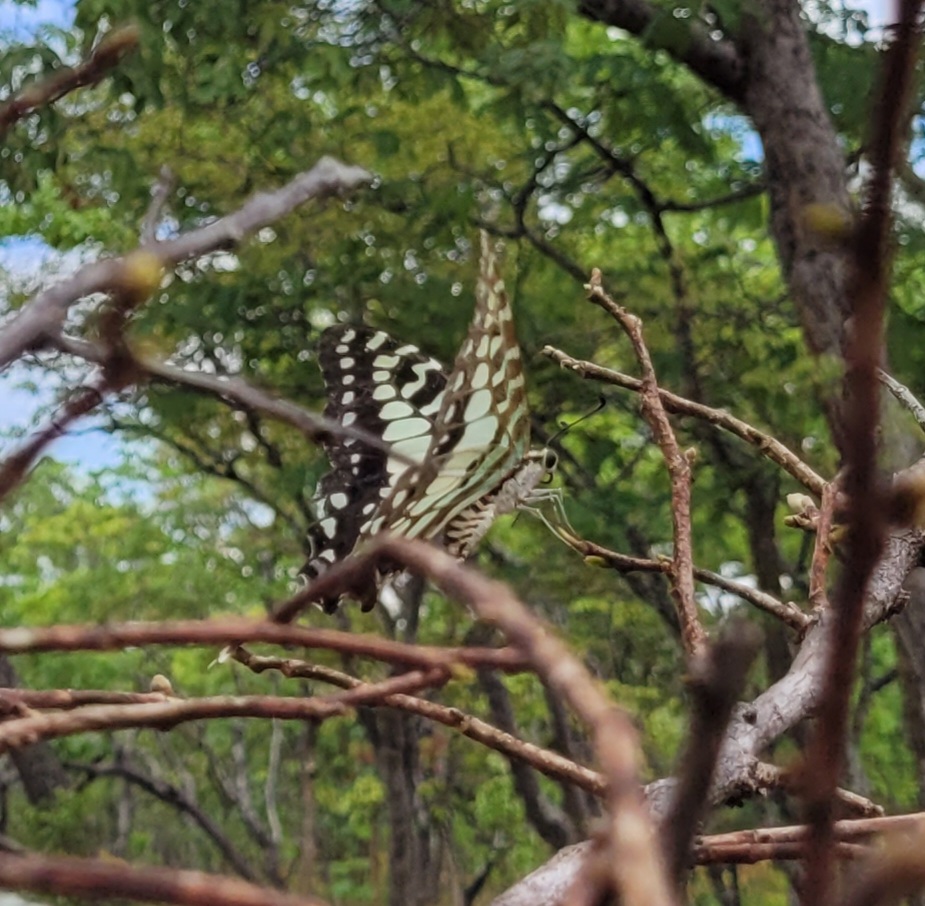
Preserving biodivesity rich habitats in forests

CLIMATE CHANGE
Protecing forests to lock up carbon and reduce global warming

LANDSCAPES
Landscape level forest protection to preserve wildlife movement and natural rhythms
Our Approach
Change Leaders
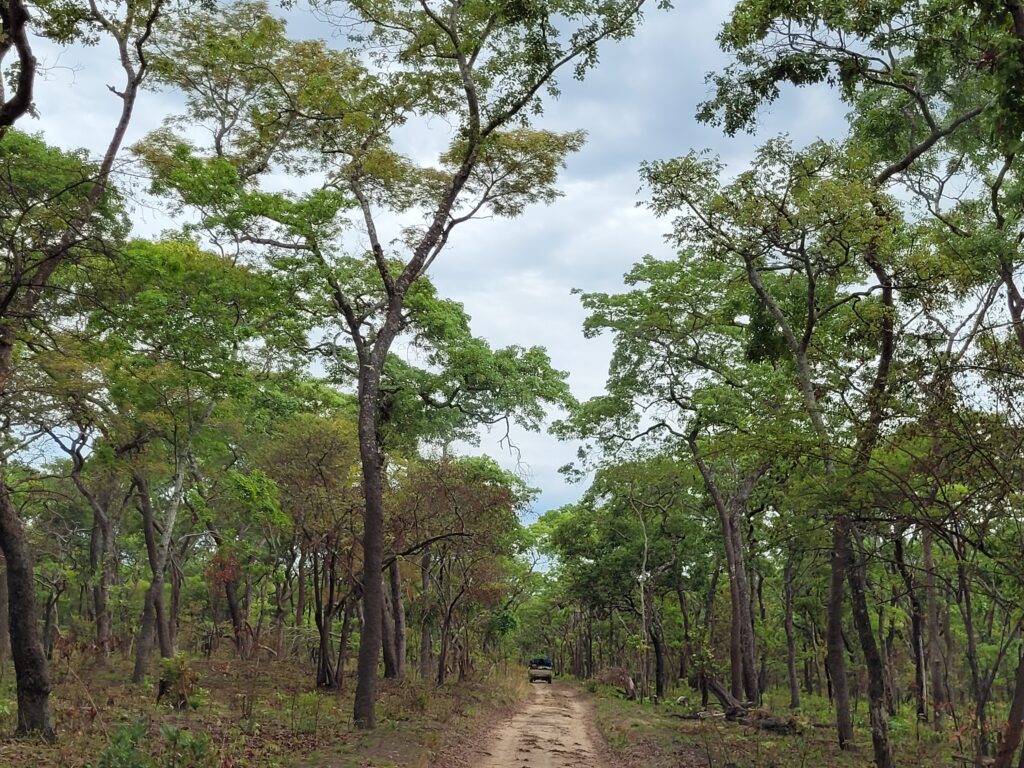
Sustainable forest management, avoided deforestation, restoration and forest regeneration
Each project will centre around Community Forest Management Groups to mobilise and participate in a reduction in deforestation and forest degradation, increasing forest conservation and sustainable management of forests. Making the forests more valuable to communities when left in-tact will be an important driver for change. Focusing on the forest alone is insufficient in the longer term to protect these forests, and the key drivers of deforestation also need to be addressed with viable alternatives.
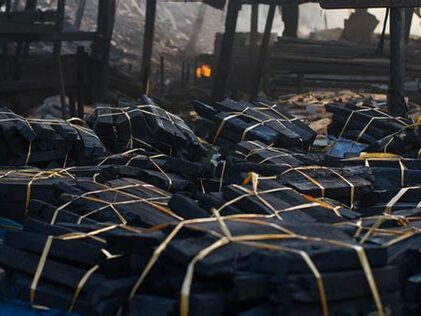
Biomass and Rural Electrification
If a community relies on the unsustainable harvesting of wood/charcoal for their energy needs, then viable energy alternatives need to be developed to replace the need for burning this biomass. Working with the Rural Electrification Agency (REA) in Zambia for example, this can include extending the grid to communities, and making the “last meter” connection to the individual households. Where this is not feasible, microgrids to supply remote communities will be considered, with the basis for this investment being underpinned by the income generated from the forest and agricultural projects, and increased incomes to households benefitting from these related businesses. By improving the ability for these households to pay for electricity, provision can be made for the ongoing maintenance and upkeep of the system.
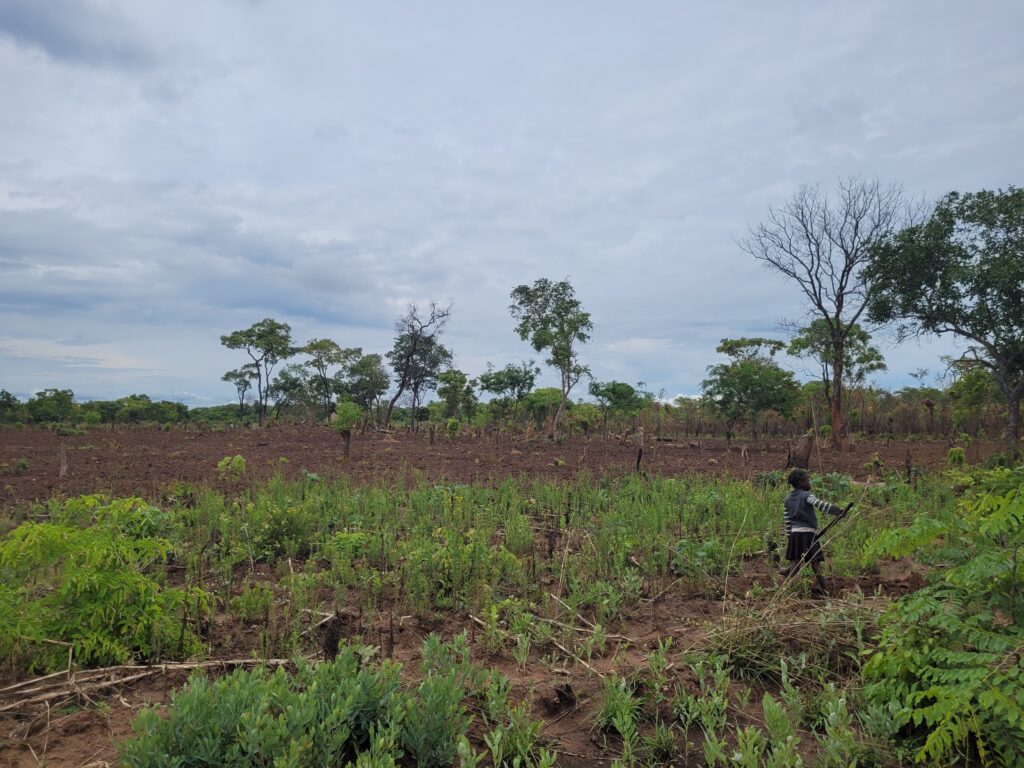
Improved Agricultural Yields
Introduction and support for the adoption of sustainable/regenerative agricultural practices: This will include the provision of ongoing agronomic support for and the supply of sustainable inputs for small-holder farmers with an aim to improve yields, diversity of cropping and improved efficiencies, allowing more food to be produced on less land with more reliability and reducing abandoned degraded land.
This will be connected to local commercial production units. Cooperative farming enterprise will be created and incentivised.
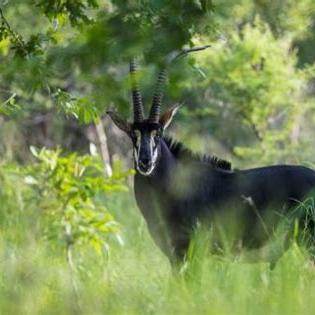
Protein & Game Conservation
Access to reliable, sustainable sources of protein is fundamental to human nutrition demands and is often sourced through hunting in the wildlife corridors and conservancies envisaged under this project. To limit this fundamental reliance on wildlife as the primary source of protein, alternative sources are required. This project team includes partners who have established and managed fish farming enterprises of differing scale in several African countries. Land-based aquaculture systems provide the most reliable model for producing sufficient protein sustainably at community scale with a surplus that can be traded. The first stage will be to establish the technical feasibility in the areas and to confirm the economic viability.

Forest Based Businesses
Protecting and enhancing the forests cannot be achieved without active intervention. Community scout teams will be employed with responsibility for anti-poaching and law enforcement in each of their defined areas. Honey collection and distribution enterprises will be set up as cooperative enterprises.
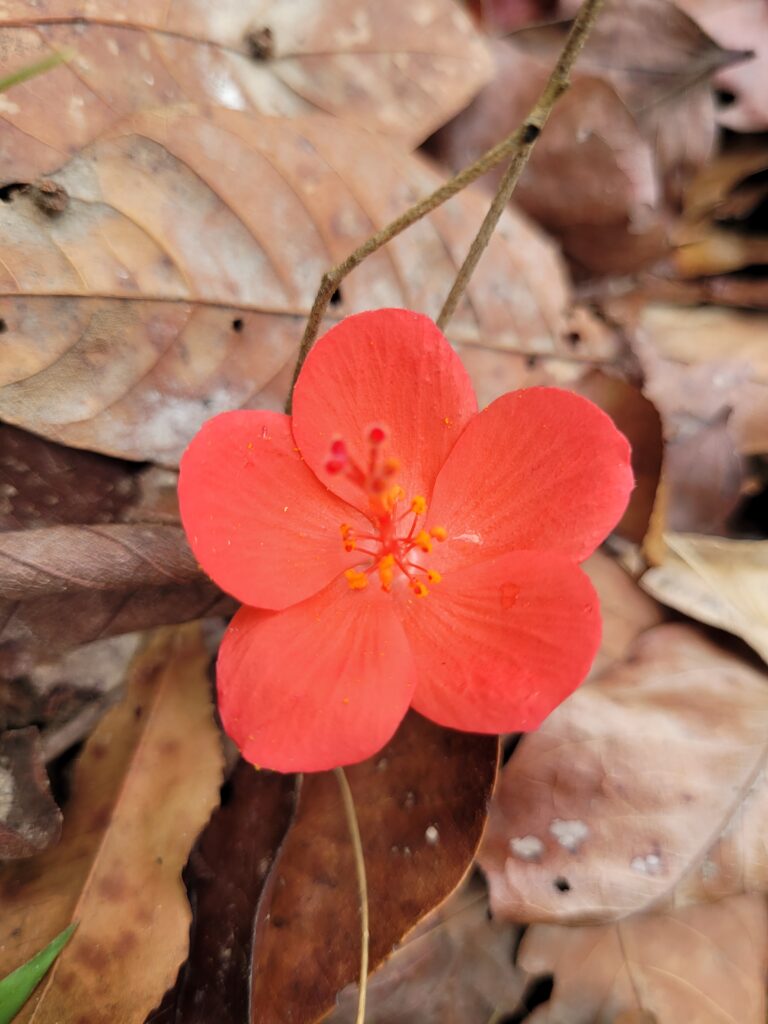
Education & Upliftment
Protection of wilderness areas cannot be done in isolation and the success of these projects to fortify the forests needs to ensure eductaion and upliftment of the communities that rely on these area for their livlihoods.
FOREST
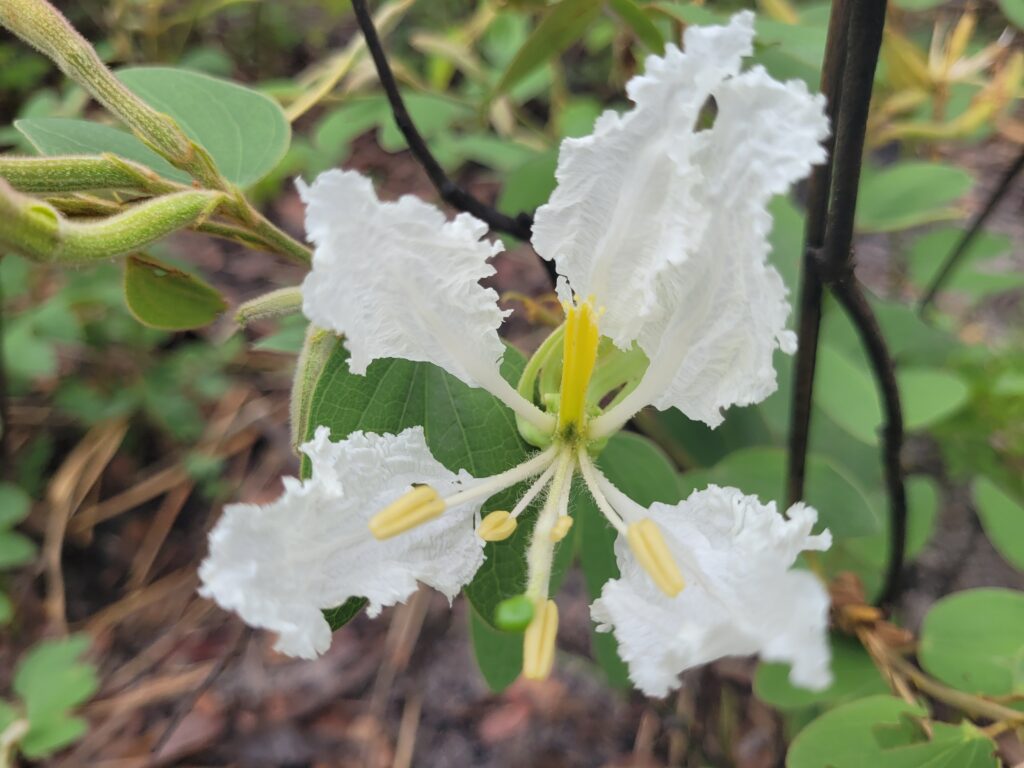
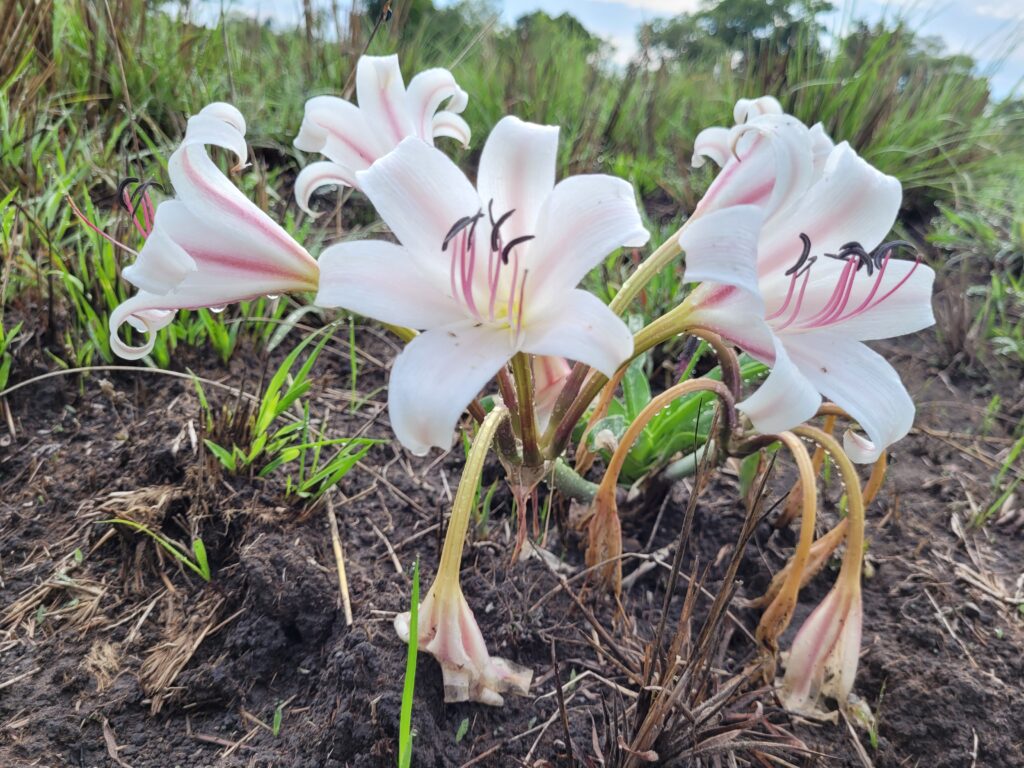
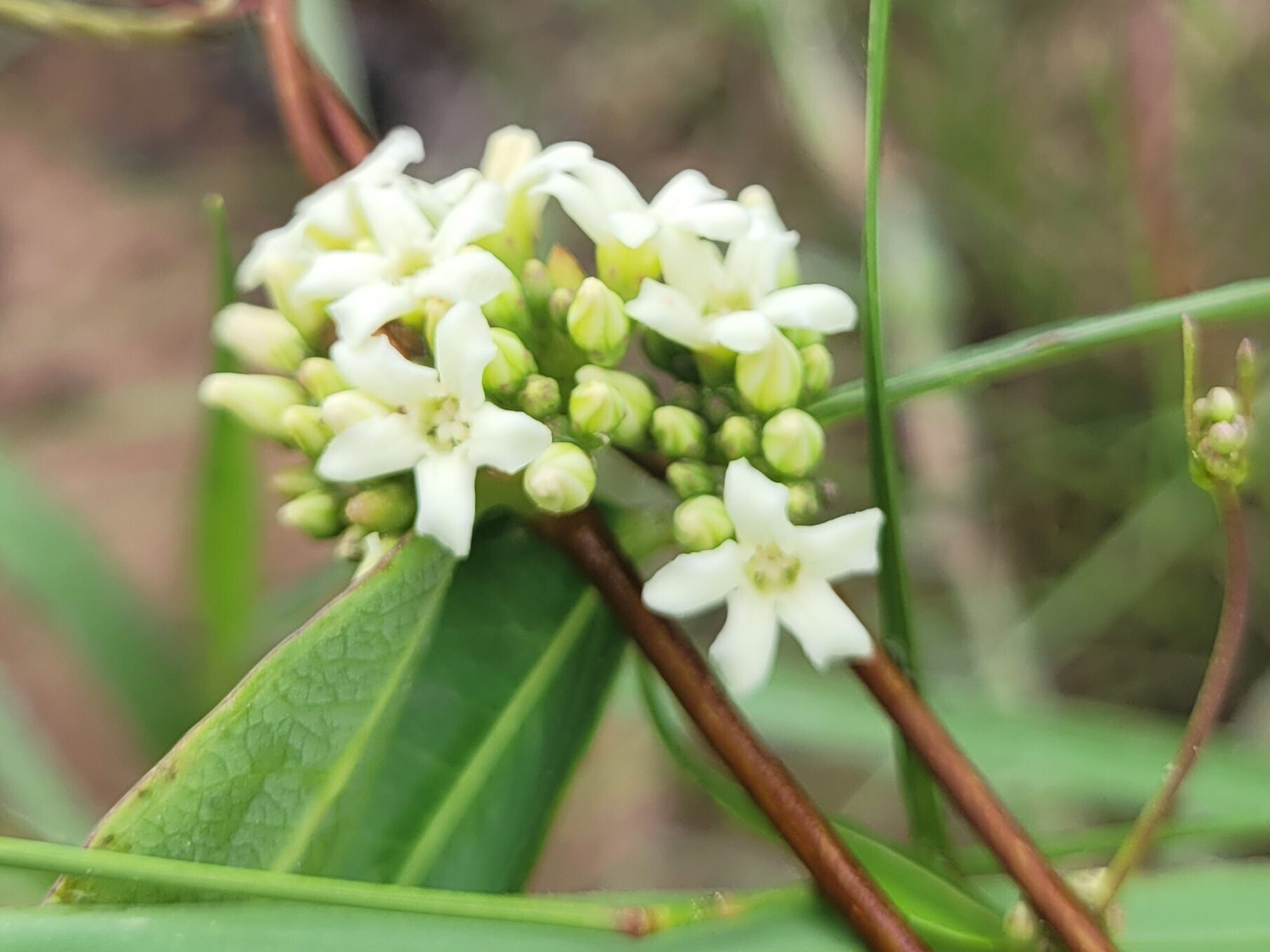
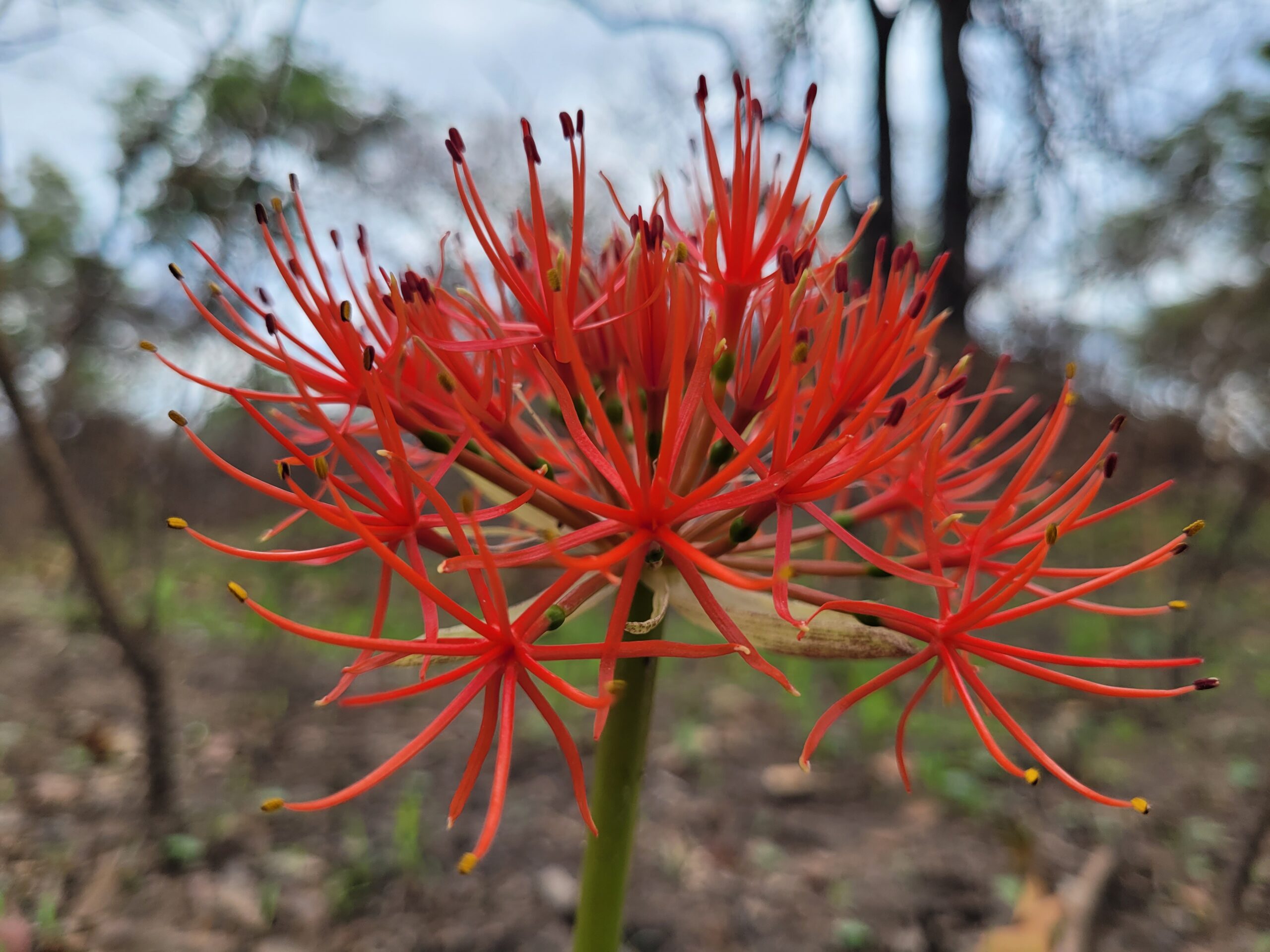
BIODIVERSITY

LANDSCAPES
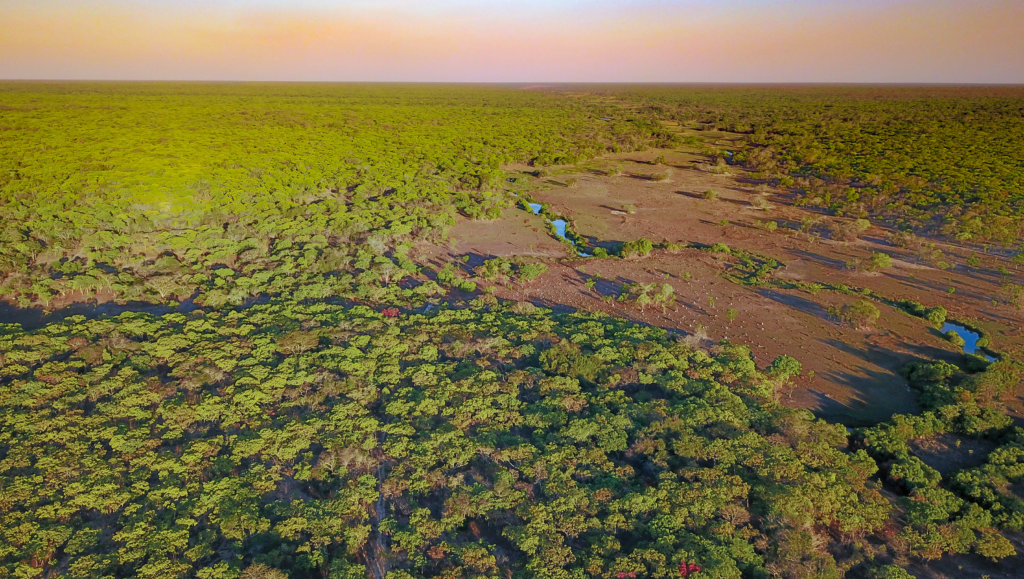
Kafue to West Lunga Conservation Corridor
The Kafue-West Lunga National Park Corridor project aims to keep open a wildlife corridor linking Kafue National Park in the south and West Lunga National Park in the north. The corridor includes a number of protected areas, including the Chizela and Kasonso Busanga Game Management Areas and the associated forest reserves, with the remaining areas in the proposed corridor being largely undesignated customary land.
The aim is to safeguard this indigenous forested land within the corridor whose biodiversity value can be protected and/or improved with due consideration to those who live and derive their livelihood locally, seeking to enhance their access to food and energy.
To achieve this, agricultural initiatives focusing on higher crop yields with tradeable surplus and processing, and biodiversity offset projects, have been initiated, generating income to fund the conservation and provide tangible and equitable benefits to the local communities in the process.
-
The Dilemma of Subsistence Farming
Maize is the most important cereal and most widely cultivated staple crop, playing a key food security role in Sub-Saharan Africa. Over 36 million hectares are harvested annually and more than 208 million people in Sub-Saharan Africa depend on maize for food security and economic well-being. Current yields of maize in Sub-Saharan Africa (estimated at…
-
Forests
The Global Importance of Africa Africa’s forests are an incredibly diverse and important global resource; 25% of the continent, or 674,419,000 hectares, is classified as forest. Africa is the world’s third largest continent for global forest area most of which is concentrated in central and southern countries characterised by a tropical climate such as Zambia,…